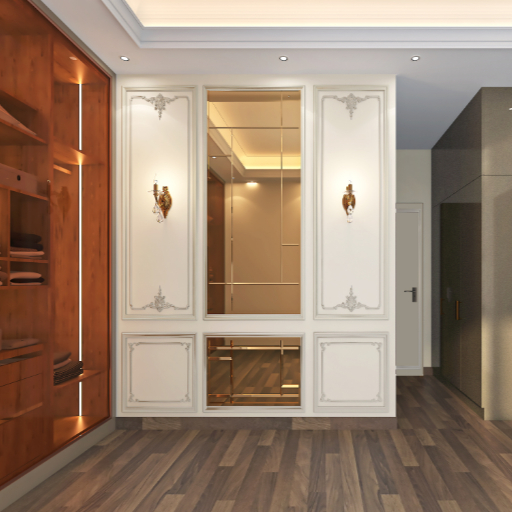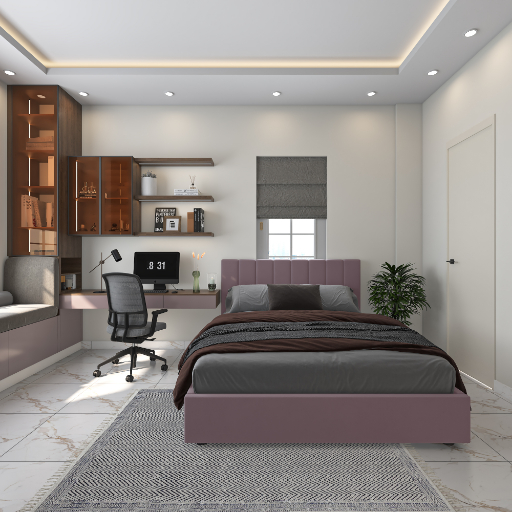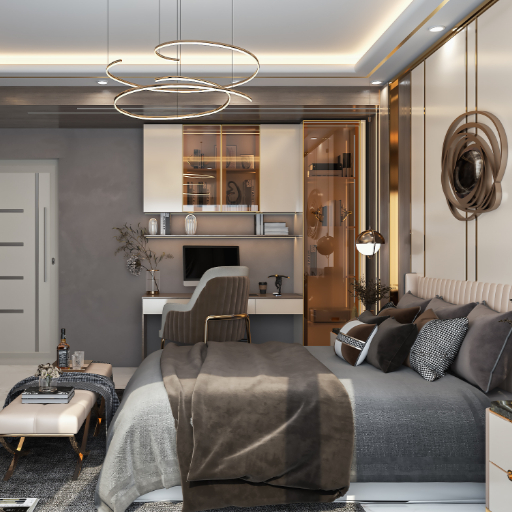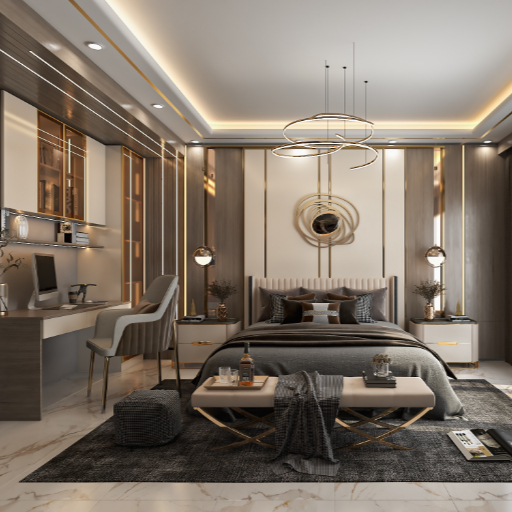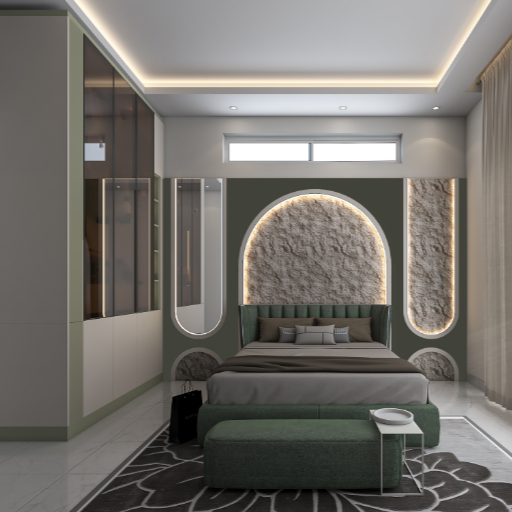
 Bedroom & Wardrobe Design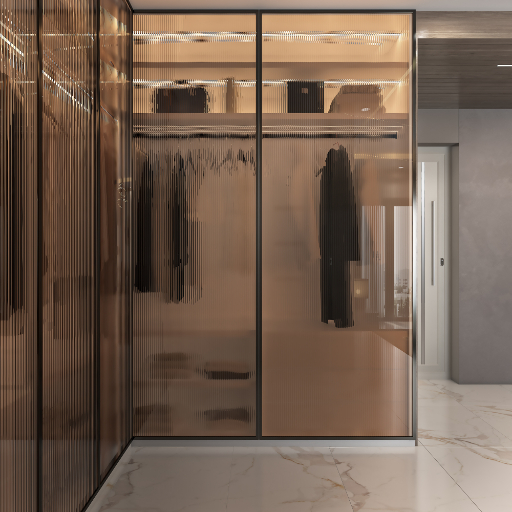
By Houzlook Interior Design Experts
Reading time: 6-7 minutes | Category: Wardrobe Design, Bedroom Storage, Smart Interiors
Your Wardrobe Is Full. Your Room Isn't Getting Bigger. Now What?
You open your wardrobe and something falls on your foot. Every shelf feels overstuffed. The hanging section is packed, clothes come out creased, and buying a second wardrobe is not realistic because the room simply cannot grow.
The good news is that the problem is usually not the room size. It is the wardrobe design. Most wardrobes are built as generic boxes with a few shelves and one rod, but that is rarely enough for how people actually live.
You do not need more square footage. You need smarter square footage.
The easiest way to gain storage is not making the wardrobe bigger. It is making every internal inch work harder.
Why Most Wardrobes Waste So Much Space
- Dead vertical space above uniform shelves wastes storage volume.
- A single hanging rod leaves empty space below shorter clothes.
- No internal dividers, baskets, or pull-outs leads to cluttered piles.
- The inside of shutter doors is often left unused.
- The wardrobe base is rarely planned for shoes, drawers, or baskets.
Reclaiming these zones alone can increase usable storage significantly without touching a single wall.
1. Double Your Hanging Space
One of the smartest changes is a two-rod system. Instead of using one full-height rod for every garment, split the section into two where possible. Shirts, kurtas, jackets, and trousers can use a double-hang setup, while one dedicated full-height area can be reserved for sarees, gowns, or longer garments.
2. Go Floor-to-Ceiling
If your wardrobe stops below the ceiling, you are leaving useful storage behind. Floor-to-ceiling wardrobes add room for seasonal items, suitcases, extra linen, and low-frequency belongings while also making the room feel taller and cleaner.
3. Customise Shelf Heights
Standard shelf heights are rarely efficient. Folded T-shirts, jeans, sarees, handbags, and shoes all need different clearances. When shelf spacing matches what you actually own, you gain more usable layers in the exact same footprint.
4. Use the Door Backs
The back of wardrobe shutters can hold hooks, slim organisers, belt racks, scarves, jewellery, and daily accessories. It is one of the most overlooked storage surfaces in the bedroom.
5. Add Pull-Outs, Drawers, and Inserts
Pull-out trouser racks, internal drawer dividers, jewellery trays, shoe pull-outs, and baskets make a wardrobe behave more like a well-designed system and less like a deep box where everything disappears into piles.
6. Improve the Experience, Not Just the Capacity
Light interiors, internal LED strips, and slim consistent hangers can make the wardrobe easier to use every day while also improving its storage performance. The right planning is about access and visibility, not just fitting in more items.
7. Do a Wardrobe Audit Before Redesigning
Before spending on a redesign, empty the wardrobe and sort everything into keep, store, and release. Seasonal pieces can move to overhead storage, while unused items should be donated or removed. This single exercise often reveals that the room was not the issue at all.
The Houzlook Approach
At Houzlook, wardrobe design starts with your routine, clothing mix, and storage pain points before finishes are selected. We plan the internal architecture around real use, then show the result in 3D before production so there is clarity before execution.
A smarter wardrobe gives you back more than storage. It gives you a calmer bedroom, easier mornings, and a system that continues working long after installation day.